Why Print Marketing Feels Like a Gift (And Why That Matters for Your Business)
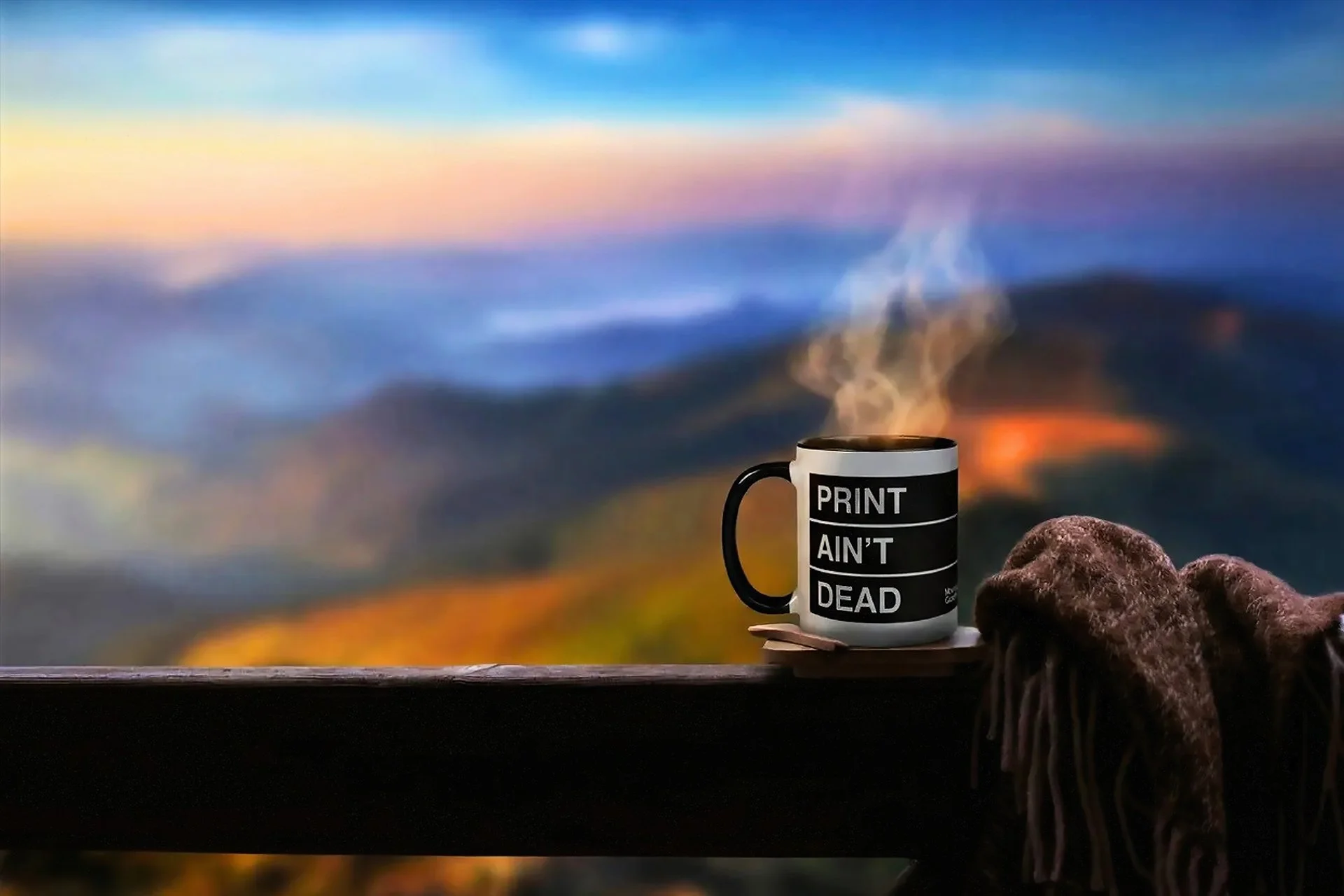
I've been thinking about this for years: there's no way print is dead.
We keep hearing that everything's gone digital, that email marketing is king, that social media is where you need to be. And sure, those things matter. But I'm calling it—print marketing might actually be more effective now than it's been in years.
Here's why.
We're Drowning in Digital
Think about your inbox right now. How many unread emails are sitting there? How many of them are marketing emails you'll never open?
We're inundated with digital content every single day. Push notifications. Instagram ads. LinkedIn messages. Email newsletters. Slack pings.
It's exhausting.
And yes, there's still junk mail in the physical mailbox. But here's the difference: we encounter fewer high-quality print pieces as consumers.
When something beautifully printed arrives—a thoughtful postcard, a holiday card, a well-designed brochure—it feels like a treat.
Print is Tangible
There's something about holding a physical object that digital will never replicate.
You can touch it. You can set it on your desk. You can tack it to your bulletin board. It exists in your space in a way that an email never will.
Print pulls you out of the digital headspace we're constantly living in. It requires your presence, even if only for a moment.
That moment? That's powerful.
Print Marketing Can Be Hyper-Targeted
One of the biggest advantages of print is that you can be incredibly specific about who receives it.
Direct mail lets you target your exact audience without throwing a wide net and hoping something sticks. You're not just boosting a Facebook post and crossing your fingers.
You're choosing the households, businesses, and people most likely to need what you offer. Then you're showing up in their physical space with a message crafted specifically for them.
That kind of intentionality makes an impact.
Print Feels Special
Here's the truth: print used to be how we communicated. Letters. Newspapers. Magazines. Catalogs.
Now? Most of our communication occurs via phone, email, and text.
Which means the print pieces we do receive feel more special.
When someone takes the time to send you something printed and carefully designed, it signals effort. It signals that you matter enough for them to invest in reaching you this way.
That matters to people.
So, What Does This Mean for Your Business?
If you've been thinking print marketing is outdated, I'd encourage you to reconsider.
A well-designed postcard sent to your ideal clients can cut through the digital noise in ways an email never will.
A printed lookbook or catalog can sit on someone's coffee table for weeks, reminding them of your brand every time they see it.
A thank-you card mailed after a purchase can turn a one-time buyer into a loyal customer.
Print isn't about doing what everyone else is doing. It's about doing something memorable.
The Bottom Line
Print isn't dead. It's just become rarer—which makes it more valuable.
If you're looking for a way to stand out, to connect with your audience in a meaningful way, and to create something people actually want to keep? Consider print.
Your competitors are all fighting for attention in crowded inboxes. Maybe it's time you showed up in the mailbox instead.